Indian General Assistance Program
Supporting Tribal Stewardship and Environmental Protection
In 1992 . . .
Congress passed the Indian Environmental General Assistance Program Act, authorizing the U.S. Environmental Protection Agency (EPA) to provide Indian General Assistance Program (IGAP) grants to federally recognized Tribes and Tribal consortia.
These grants support Tribes in building and strengthening environmental protection programs based on the needs and priorities of their communities. IGAP also provides resources for developing and implementing solid and hazardous waste programs on Tribal lands, helping Tribes protect the health of their people, care for their lands and waters, and uphold their role as stewards of the natural resources that sustain their communities and future generations.

Water Quality Monitoring
in the Chugach Region
Check out how CRRC has been bridging the gap between Western science and Traditional Knowledge from our Tribal members in our coastal communities.
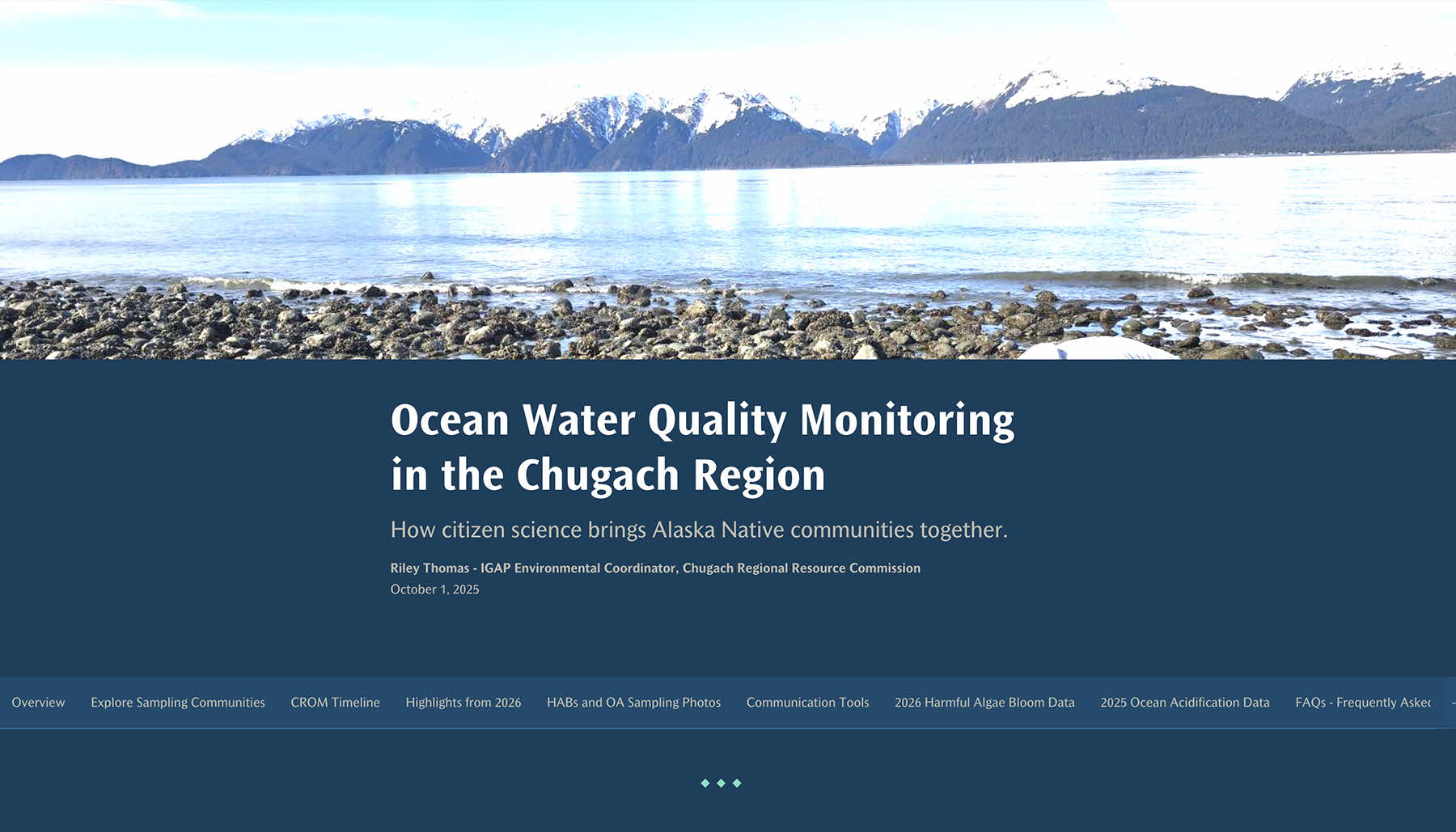
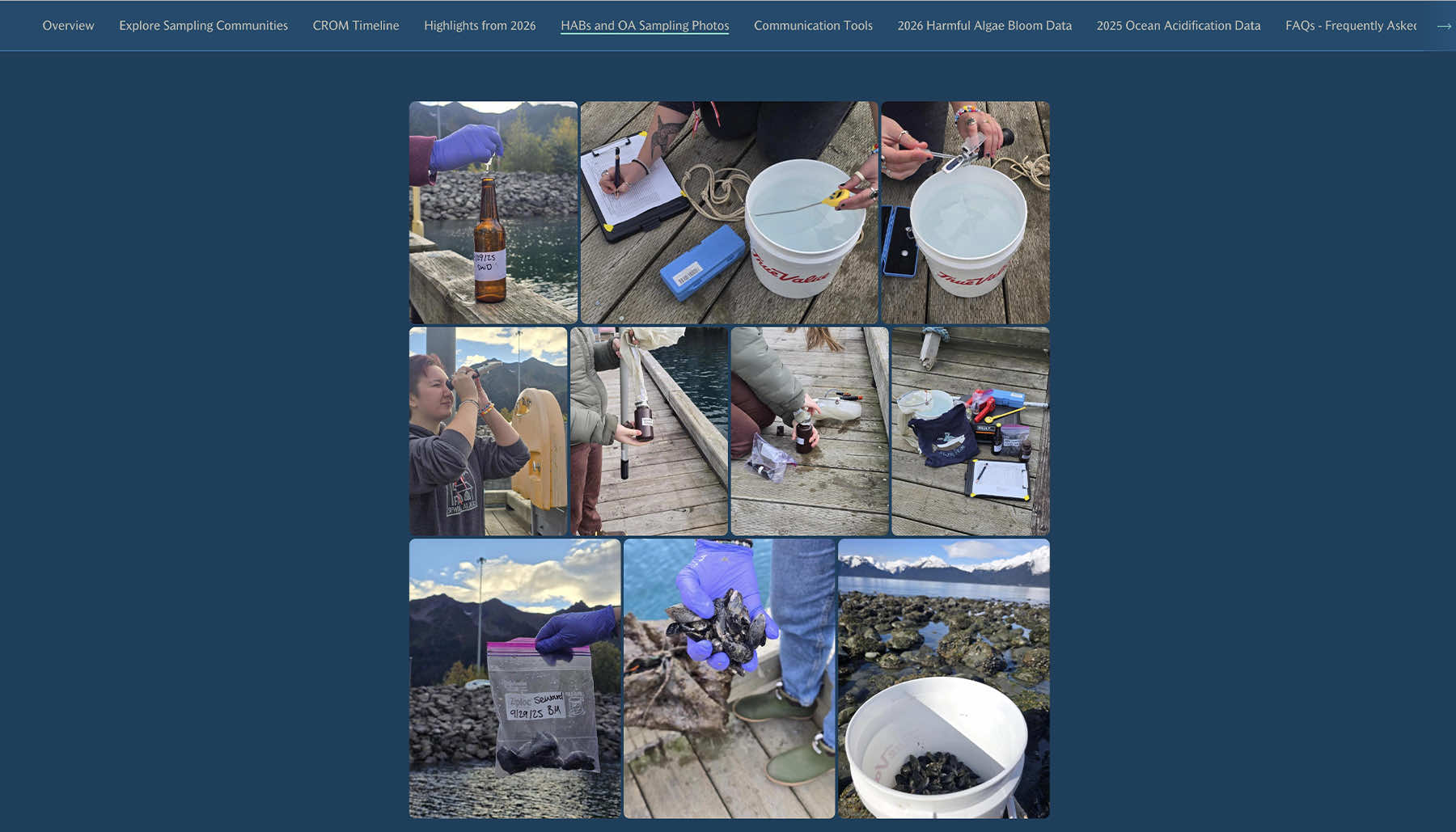
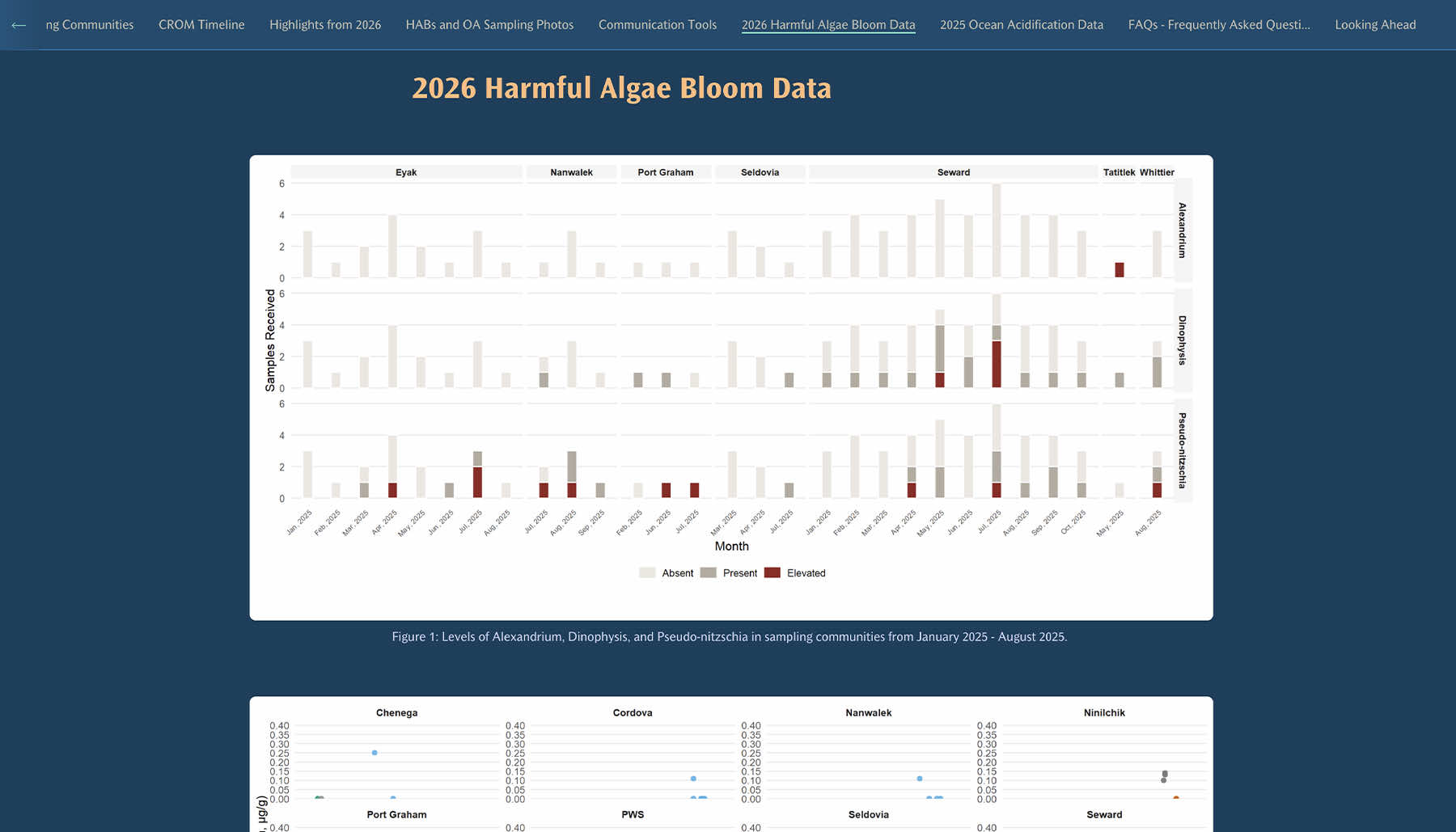
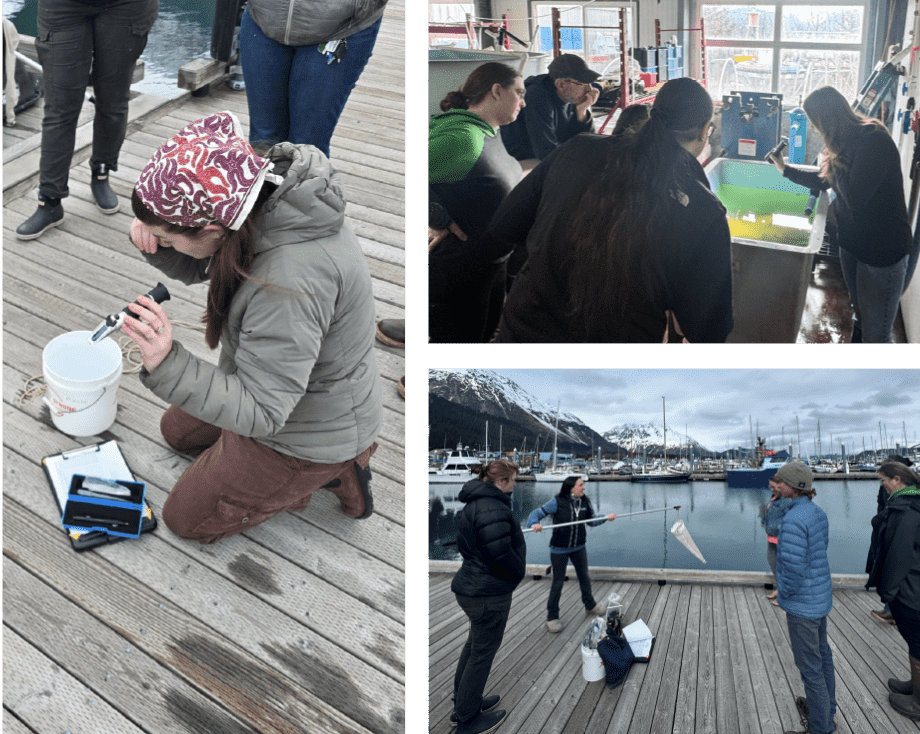
The Chugach Regional Resources Commission (CRRC) and the Alutiiq Pride Marine Institute are working alongside Tribal communities across the Chugach region to better understand and monitor the changing conditions of Alaska’s coastal waters.
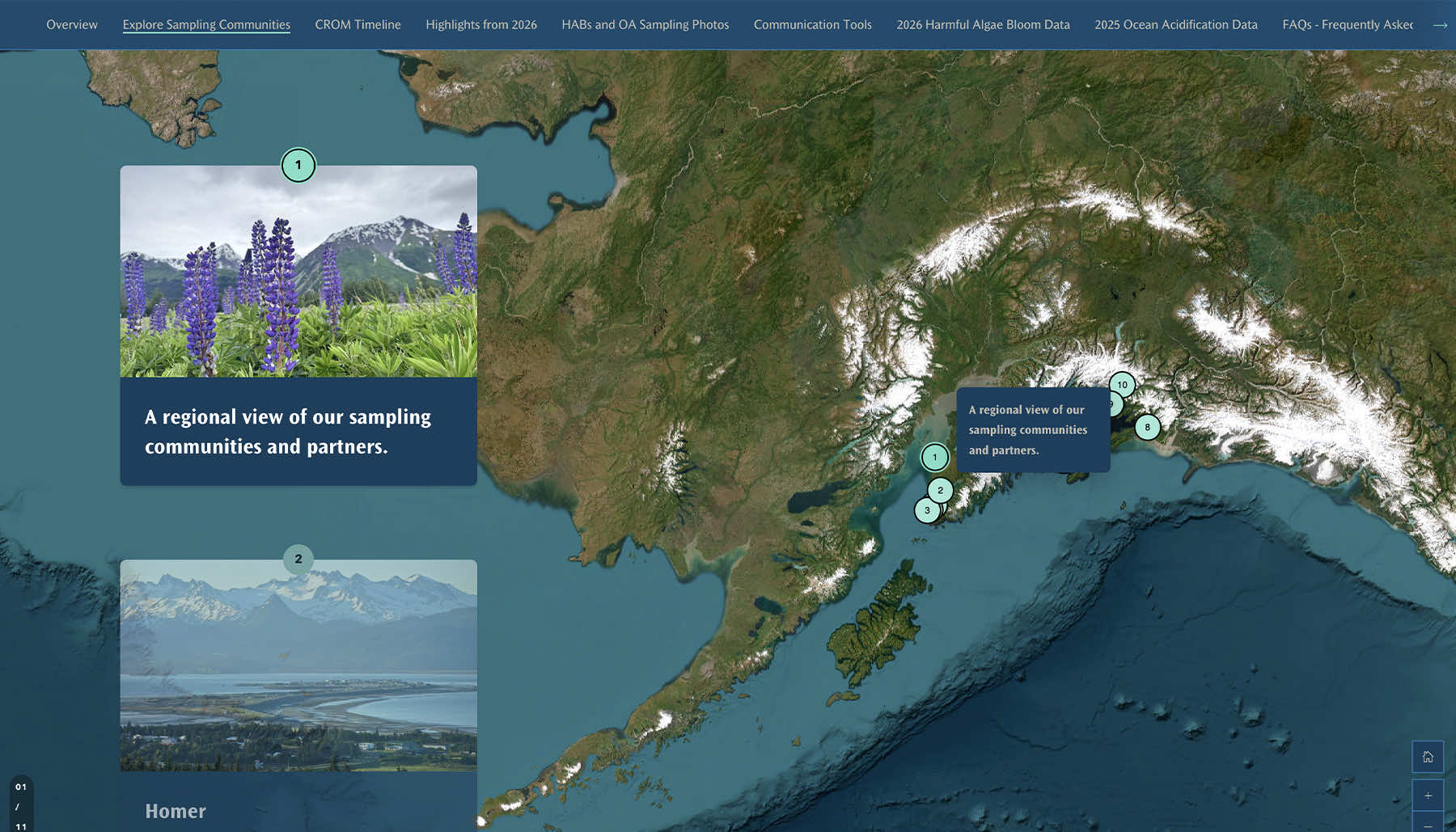
Serving the seven Tribes of Chenega, Native Village of Eyak, Nanwalek, Port Graham, Qutekcak, Tatitlek, and Valdez, CRRC’s Chugach Regional Ocean Monitoring Program brings together local knowledge, community participation, and scientific research to address growing concerns about harmful algal blooms (HABs), ocean warming, and the safety of subsistence resources.
Harmful algal blooms can produce naturally occurring toxins that accumulate in shellfish and other marine species harvested for food. As environmental conditions continue to change, Tribal citizens have become increasingly concerned about the impacts these toxins may have on community health and traditional harvesting practices that have sustained families for generations.
The program fills a critical gap in Alaska, where commercial shellfish sites are monitored, but routine testing is not available for subsistence harvest areas. By providing timely scientific data directly to Tribal leadership, communities are better equipped to make informed decisions about local harvesting activities while continuing to protect cultural traditions and food security.
This collaborative effort highlights the power of Indigenous stewardship and community-based science. By combining generations of traditional knowledge with modern monitoring techniques, the Chugach region is building a stronger understanding of changing ocean conditions and helping safeguard subsistence resources for future generations.
Building
Program
Capacity
Knowledge for informed action
Research on environmental issues and resources as well as EPA Tribal Environmental Plan reviews, and attendance of environmental conferences are an integral part of CRRC’s IGAP program. These activities build the program’s capacity to collaboratively address environmental issues.
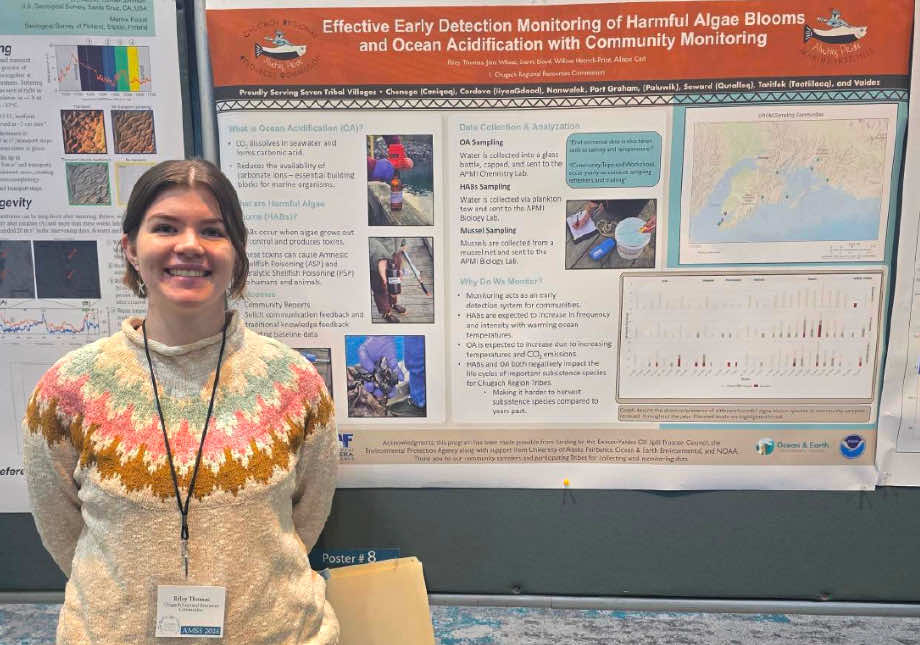
Building
Communications
Capacity
Keeping communities connected
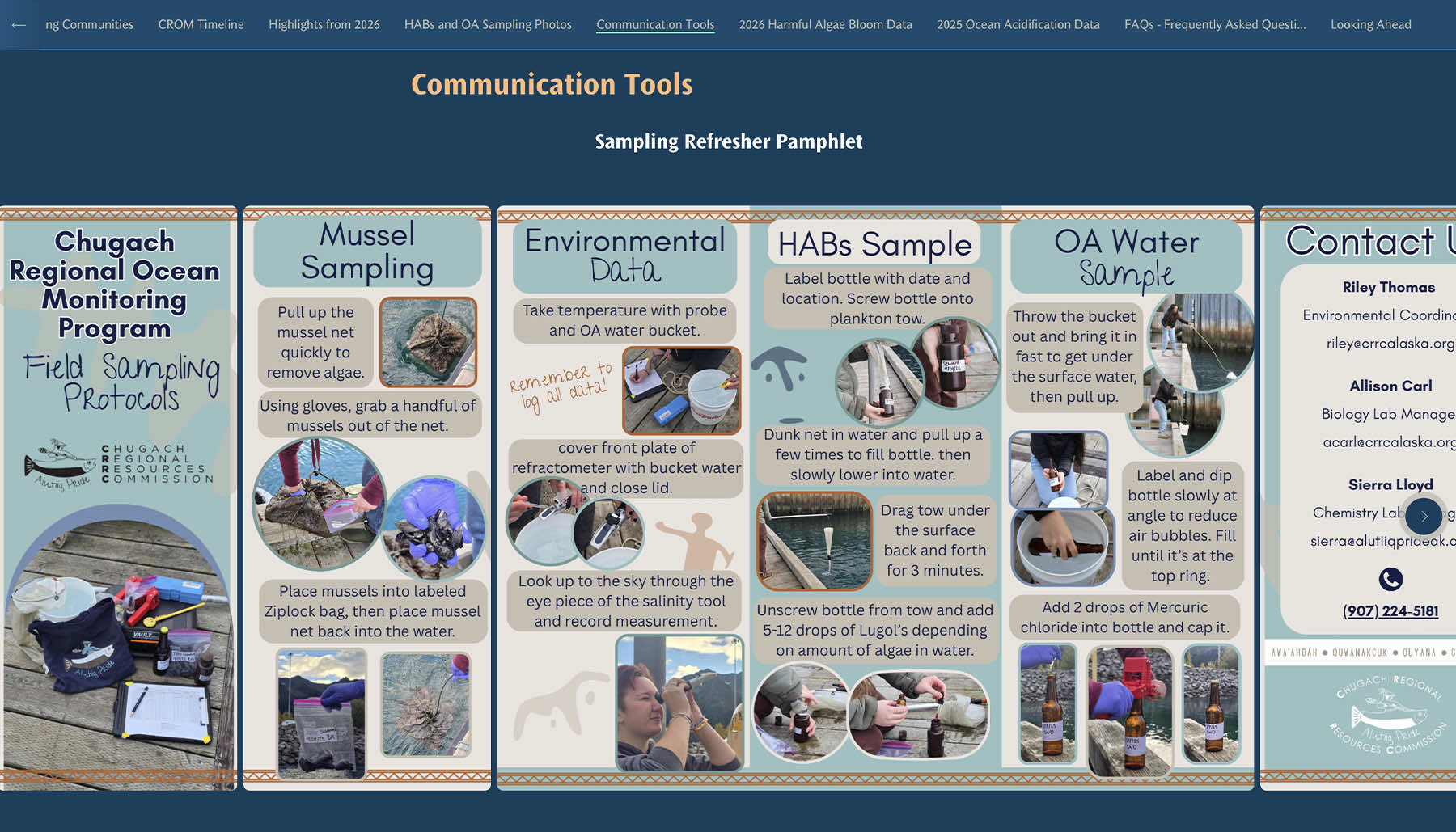
Advocacy through communication efforts such as comments, newsletters, social media posts, and regional environmental calls builds capacity and collaboration. These tools enable CRRC’s IGAP program to provide critical input to decision makers on impacts to subsistence, culture, and ecology in the Chugach Region. These tools also help connect community members to CRRC’s IGAP program.
Geographic
Information
Systems (GIS)
People, places, and data