SUBSISTENCE EDUCATION
Learning Through Place, Knowledge, and Community
Learning Our
Way of Life
A Pathway Through Subsistence Education
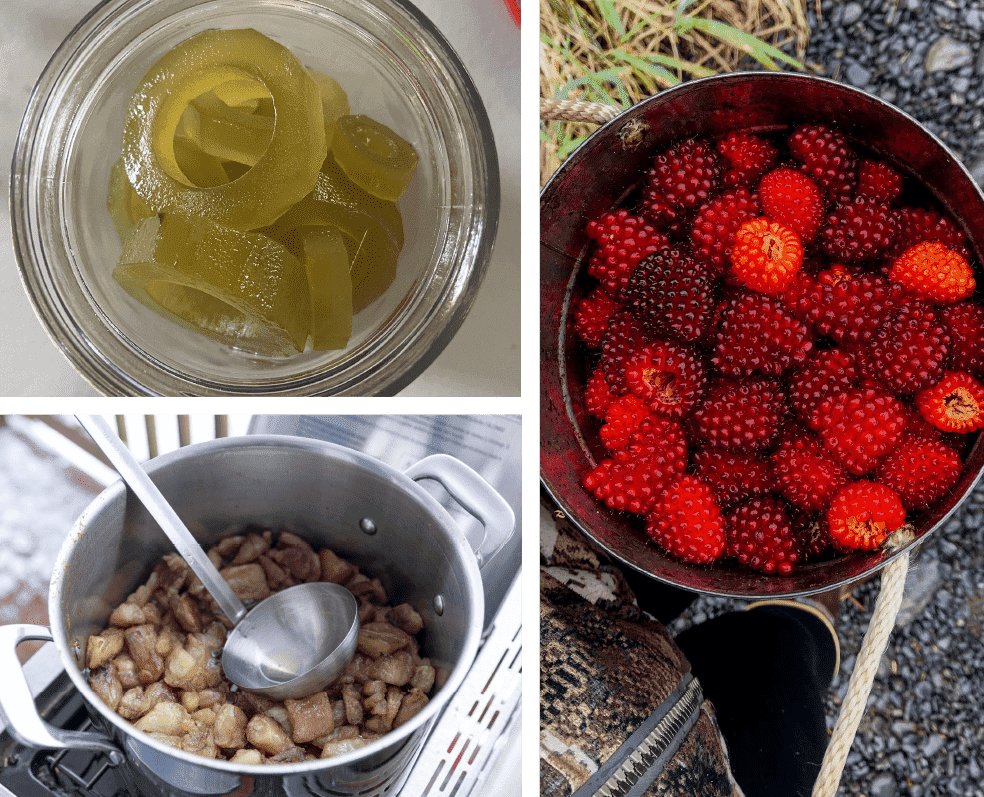
Subsistence is more than harvesting food. It is a way of life that connects people to place, family, culture, community, and the natural world. This curriculum guides students through hands-on experiences, traditional knowledge, local languages, science, storytelling, research, and an understanding of the policies that influence access to resources.
Learning builds progressively from early experiences with local foods, plants, animals, seasons, and harvesting traditions to deeper exploration of seasonal cycles, local species, traditional place names, food processing, and knowledge shared by Elders. In high school and college, students explore subsistence rights, Tribal governance, resource management, conservation, research, co-management, and policy.
Bringing Knowledge
Systems Together
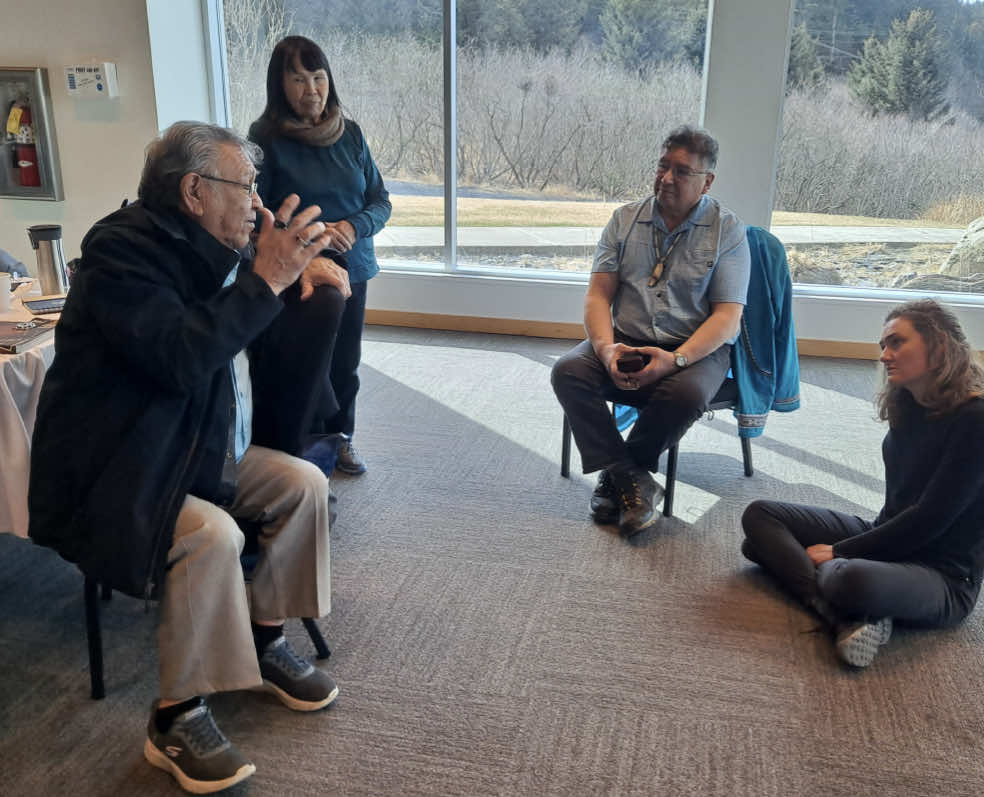
Throughout the curriculum, students are encouraged to recognize that knowledge comes from multiple systems and sources, including Elders and culture bearers, community experience, Indigenous knowledge, and Western science. Learning activities create opportunities for students to ask questions, listen, observe, research, document, create, and share knowledge in ways that strengthen connections to their communities and responsibilities to the resources that sustain them.
The curriculum is intended to be locally adaptable and community-centered. Specific species, foods, languages, harvesting practices, stories, places, and teachings should be guided by local Elders, Tribal communities, knowledge holders, and educators. This approach supports learning that is grounded in place and recognizes the importance of cultural knowledge, community relationships, and reciprocity.
Download Lesson Plans
& Curriculum Program
Building Knowledge Across Generations
Grade Level: K–2
Exploring Nature’s Food & Animals
Choose from the following lesson plans
Understanding Subsistence
Alaska Salmon Species
Find the Animals - Where Do They Live?
Grade Level: 3–5
When, Where & Why We Harvest
Choose from the following lesson plans
Introduction to Marine Mammals
Learning About Local Berries, Plants, and Their Uses
Tide Pool Exploration
Traditional Foods and Sharing
Weather Tracking in Alaska
Grade Level: 6–8
Mapping, Research & Storytelling
Choose from the following lesson plans
Creating a Local Subsistence Calendar
Elder Interviews and Subsistence Practices
How Are Plants Used
Local Subsistence Species
Marine Mammals and Subsistence
Understanding Subsistence
Understanding Weather and Tides in Subsistence Practices
Grade Level: 9–12
Subsistence, Policy & Resource Management
Real World Policy & Management Capstone Project
Fishing and Hunting - State vs Federal Land Rules
Gender Roles in Subsistence
Hands-On Learning - Processing and Traditional Skills
Hunting and Fishing Opportunities in the Chugach Region
Jeopardy Game Recap on Alaskan Subsistence Practices
Legal Framework of Subsistence Rights
Marine Mammal Protection Act and Subsistence Use
Native Language Integration in Subsistence Practices
Subsistence as a Way of Life
Grade Level: K–2
Exploring Nature’s Food & Animals
Choose from the following lesson plans
Understanding Subsistence
Alaska Salmon Species
Find the Animals - Where Do They Live?
Grade Level: 3–5
When, Where & Why We Harvest
Choose from the following lesson plans
Introduction to Marine Mammals
Learning About Local Berries, Plants, and Their Uses
Tide Pool Exploration
Traditional Foods and Sharing
Weather Tracking in Alaska
Grade Level: 6–8
Mapping, Research & Storytelling
Choose from the following lesson plans
Creating a Local Subsistence Calendar
Elder Interviews and Subsistence Practices
How Are Plants Used
Local Subsistence Species
Marine Mammals and Subsistence
Understanding Subsistence
Understanding Weather and Tides in Subsistence Practices
Grade Level: 9–12
Subsistence, Policy & Resource Management
Choose from the following lesson plans
Real World Policy & Management Capstone Project
Fishing and Hunting - State vs Federal Land Rules
Gender Roles in Subsistence
Hands-On Learning - Processing and Traditional Skills
Hunting and Fishing Opportunities in the Chugach Region
Jeopardy Game Recap on Alaskan Subsistence Practices
Legal Framework of Subsistence Rights
Marine Mammal Protection Act and Subsistence Use
Native Language Integration in Subsistence Practices
Subsistence as a Way of Life
Using This
Curriculum
Learning builds progressively from early experiences with local foods, plants, animals, seasons, and harvesting traditions to deeper exploration of seasonal cycles, local species, traditional place names, food processing, and knowledge shared by Elders. In high school and college, students explore subsistence rights, Tribal governance, resource management, conservation, research, co-management, and policy.
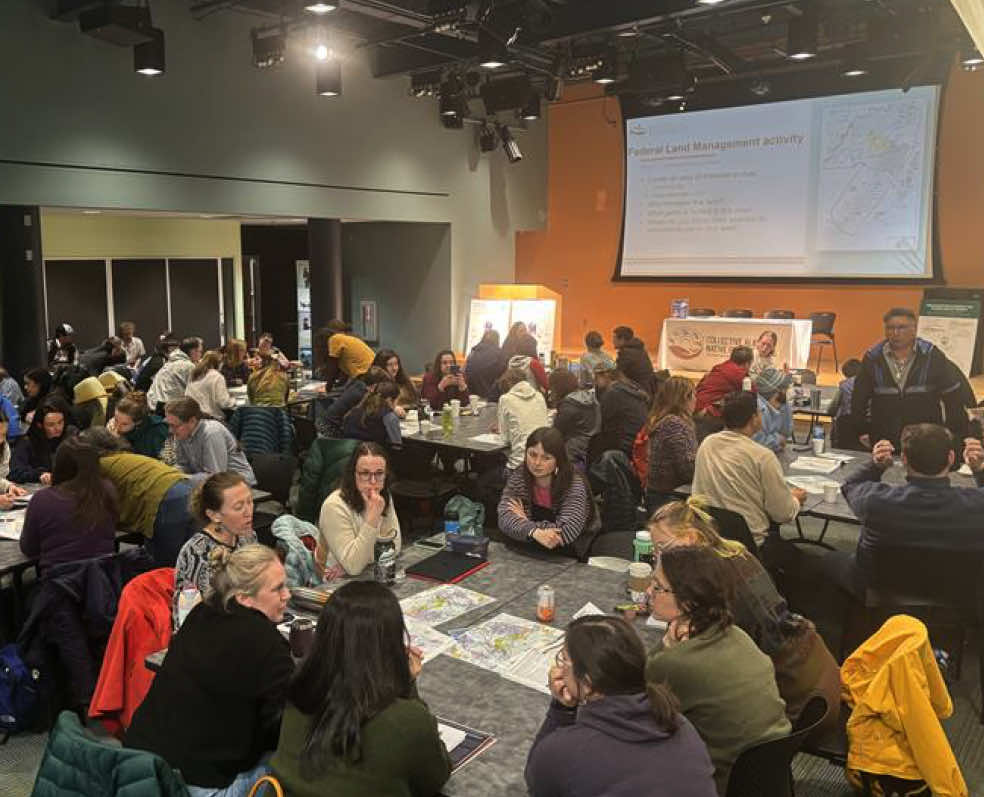
The curriculum is intended to be adapted to each community and learning environment.
Educators are encouraged to work with Elders, culture bearers, Tribal leaders, families, and local knowledge holders to determine the appropriate teachings, language, stories, places, species, harvesting practices, and activities to include. Local knowledge and Indigenous knowledge should be shared with appropriate respect, permission, attribution, and reciprocity.
A Living Curriculum That Grows
With Our Communities
Connecting generations, knowledge, culture, and place.
This is a living regional education resource. As new lessons are developed, community knowledge is shared, photographs and stories are added, and additional educational resources become available, the curriculum can continue to grow and evolve. The goal is to create a resource that reflects the communities and places it serves while supporting meaningful connections between generations, knowledge systems, education, and the resources that sustain life.