KINGS BAY MOOSE
Prince William Sound
Protecting the
Future of Moose
in Kings Bay
Listening to the Land
The Kings Bay drainage in western Prince William Sound has long been an important subsistence moose hunting area for Sugpiaq (Alutiiq) residents of Chenega, Chenega Bay, and Tatitlek. Moose remain a priority food source and cultural resource for these communities and others on the eastern Kenai Peninsula. However, the hunt area has been closed since 2010 due to very low moose abundance.
Surveying a
Challenging Landscape
Data for Future Subsistence
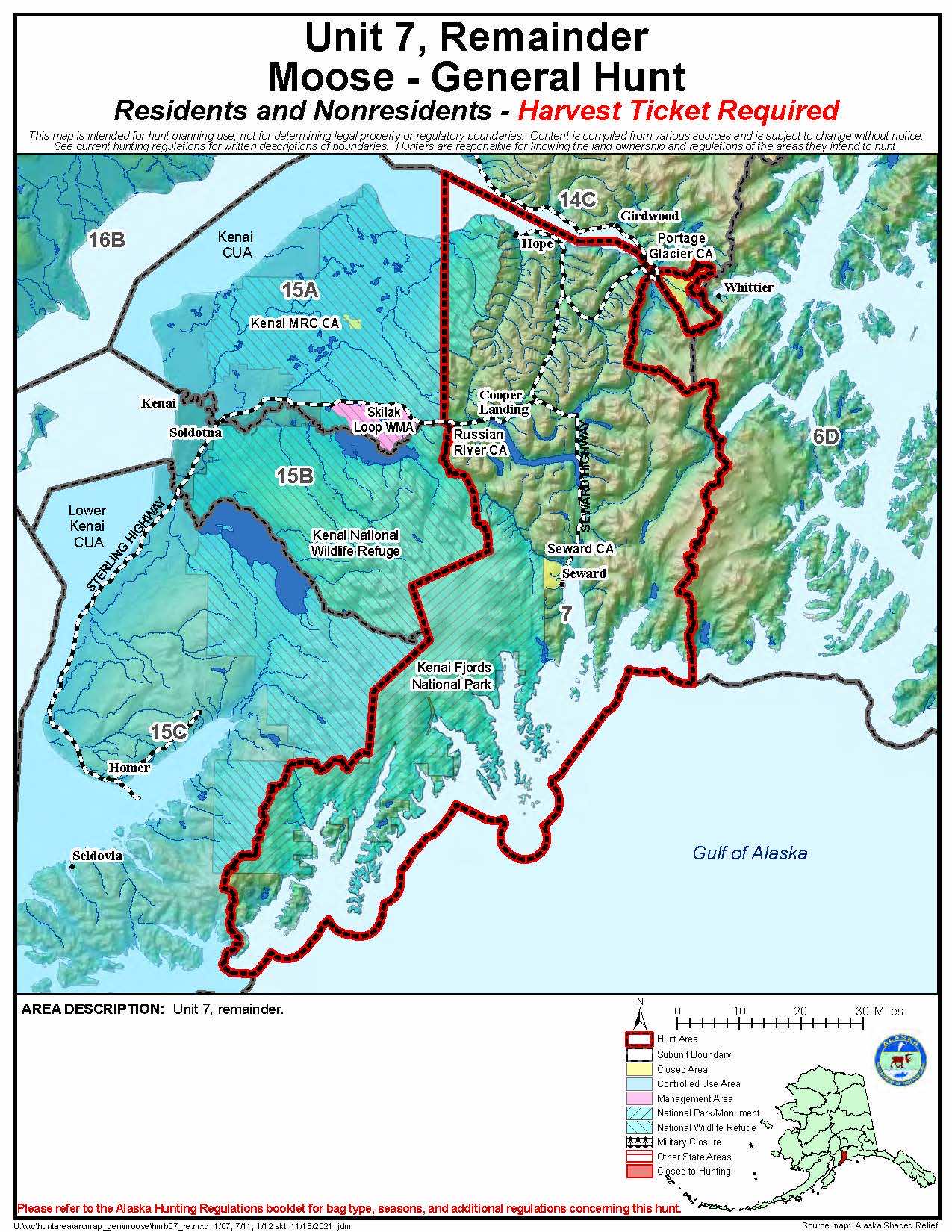
Unit 7 is dominated by steep coastal mountains, dense rainforest, glaciers, and deep winter snow, which limits suitable moose habitat. Past surveys, including a 2014 aerial survey of the Kings Bay drainage, documented extremely low numbers of moose.
In response, CRRC partnered with the U.S. Forest Service and local communities to collect current information on the Kings Bay moose population. The project provides data needed for wildlife management decisions and helps inform future regulatory actions so residents may continue cultural and subsistence practices when populations allow.
Survey Results
Sparse Observations Highlight Ongoing Population Concerns
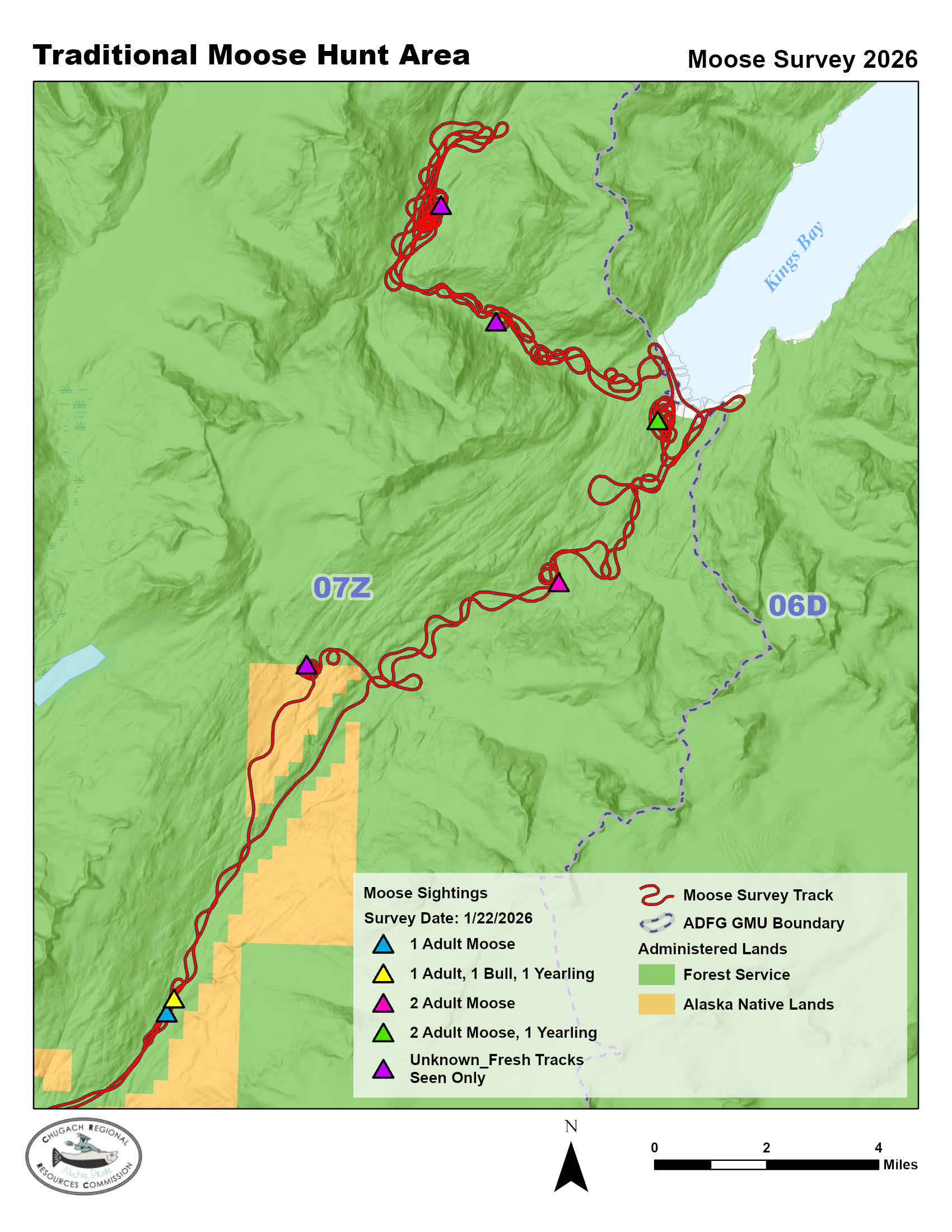
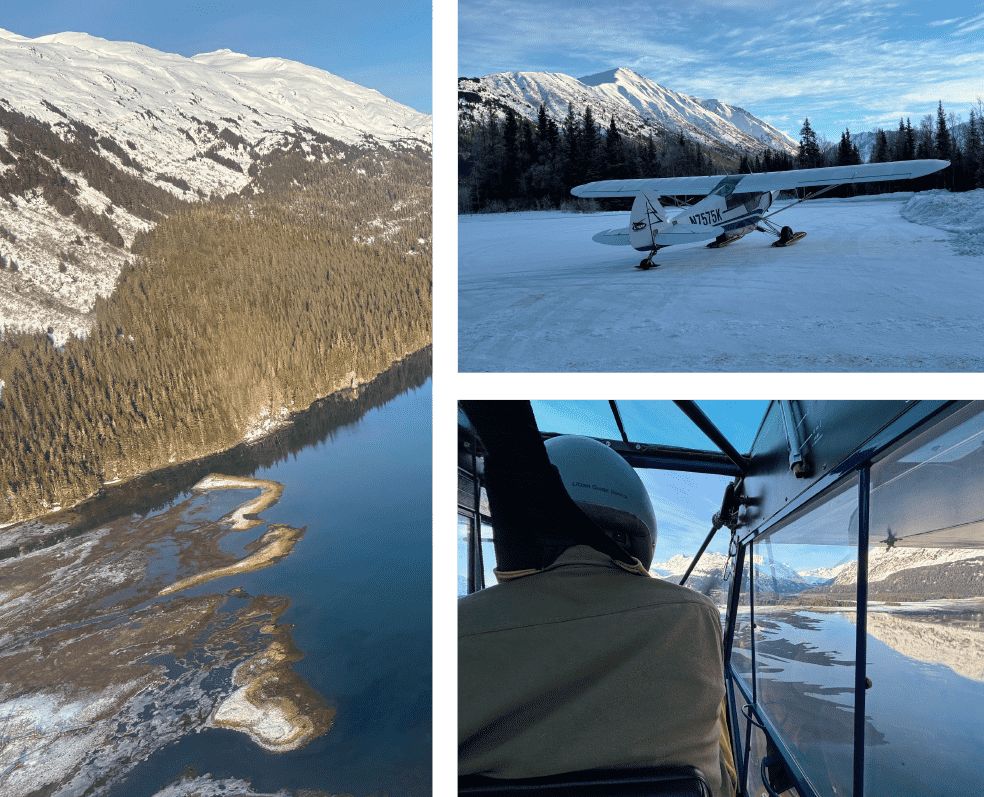
A single aerial survey was completed on January 22, 2026 by CRRC staff under excellent conditions. A total of 9 moose were visually observed along with 4 other sets of unique and fresh tracks within Kings River and Nellie Juan River up to Nellie Juan Lake. Due to lack of snow cover during the winter of 2024/25 an aerial survey could not be completed as planned.