REGIONAL FRESHWATER FISH INVENTORY
Projects & Studies
Kenai Fjords
Fish Inventory
Project
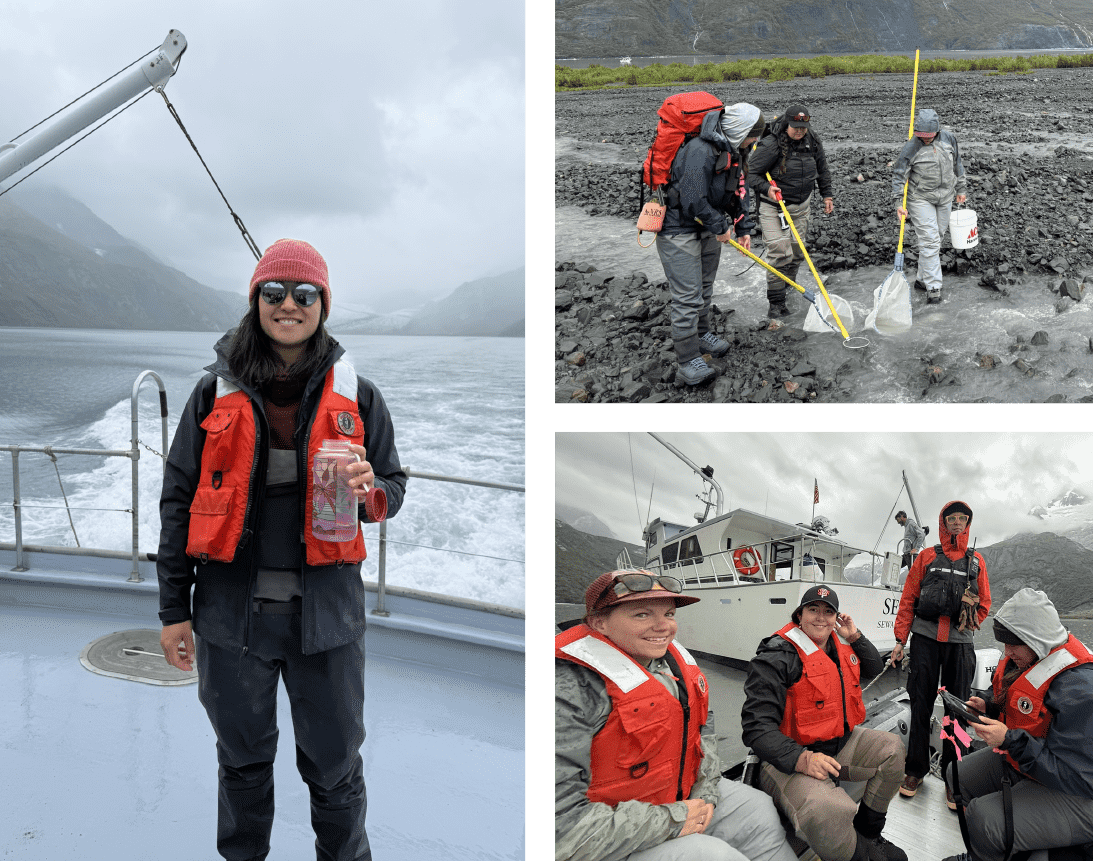
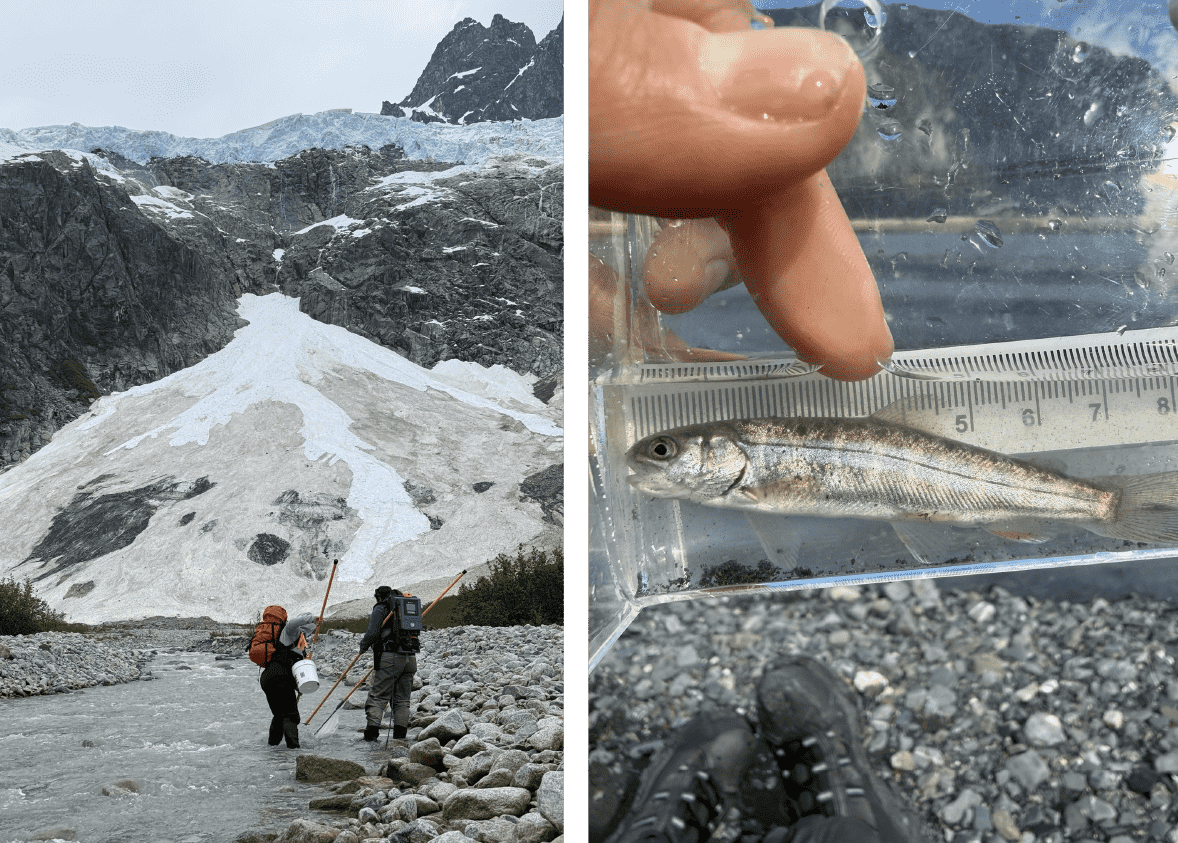
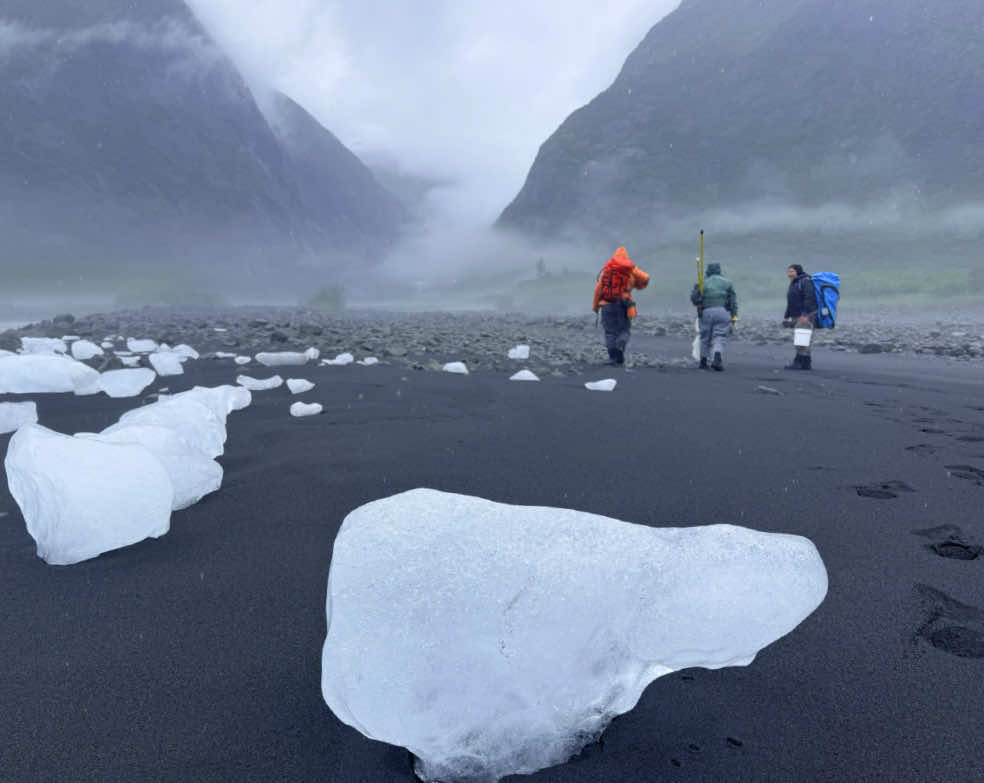
The Kenai Fjords Fish Inventory Project is working to better understand which fish species use freshwater streams and lakes within Kenai Fjords National Park and Port Graham Corporation lands. Many of the park’s waterways are remote and have never been formally surveyed for fish. As a result, there is limited information about what species are present and how these waters contribute to the broader fish populations of the region.
This project aims to fill those information gaps by surveying streams and lakes across the park to document where fish are present and identify the species using these habitats. Understanding which fish occupy these waters helps resource managers recognize important habitat areas and ensure they are considered in future management and conservation decisions.
Why This
Work Matters
In Alaska, state law provides special protections for waters that support migratory fish such as salmon. However, these protections typically apply only after fish use has been documented. Because many streams in Kenai Fjords National Park have never been surveyed, important habitats may currently lack formal recognition.
By documenting fish presence and distribution, this project provides the information needed for managers to better understand how fish use these freshwater systems and to ensure important habitats are identified and protected when appropriate.
Understanding
Hatchery Strays
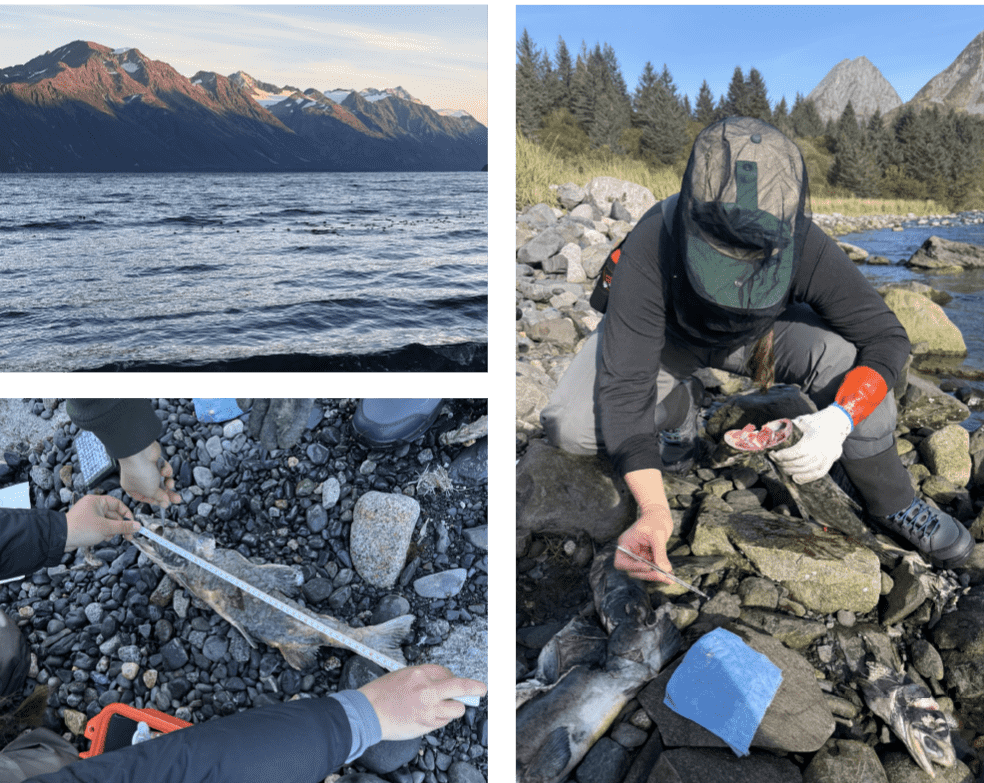
A second objective of the project is to evaluate whether hatchery-origin salmon are straying into natural streams within the park. Hatchery fish are raised to support fisheries, but when they return to spawn in wild systems they can mix with naturally produced fish.
During field surveys, biologists collect small tissue samples and record identifying marks when fish are encountered. These samples help determine whether salmon originated from hatcheries and allow researchers to estimate how frequently hatchery fish enter park waters.
A Regional
and Collaborative
Approach
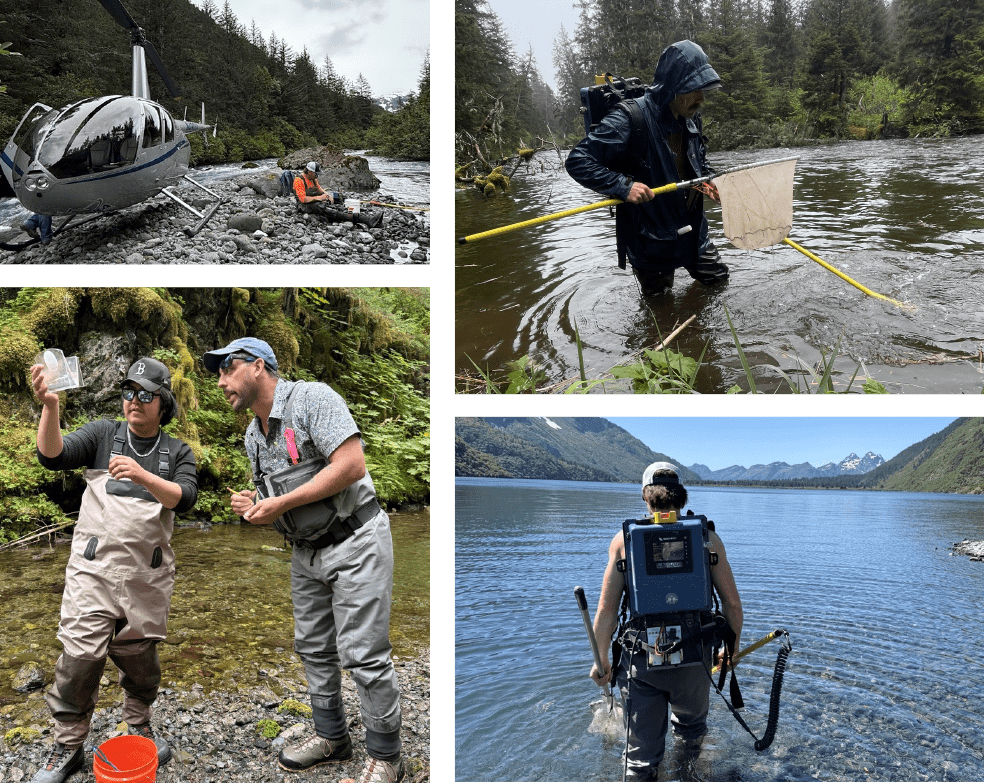
This project is designed not only to collect new information, but also to build long-term regional capacity for fish monitoring. The work is conducted collaboratively with Tribal, state, and federal partners whenever possible so that methods, knowledge, and field experience can be shared across agencies.
In 2025, this collaborative
approach was already underway
1
Field surveys were conducted in partnership with the U.S. Forest Service in Controller Bay.
2
Similar inventory efforts were carried out with the Alaska Department of Fish and Game in Kachemak Bay and the surrounding Lower Cook Inlet region.
3
By coordinating efforts across jurisdictions, this project helps strengthen the ability of agencies and Tribal partners to conduct fish inventories in remote areas throughout coastal Alaska.
Supporting
Future Stewardship
Together, these surveys will provide foundational information about fish presence, distribution, and hatchery stray rates in Kenai Fjords National Park and Port Graham Corporation lands. The results will help managers, researchers, and partners better understand the role these freshwater systems play in supporting fish populations and the ecosystems that depend on them.
This work represents an important step toward improving our understanding of fish habitats in remote coastal watersheds and ensuring they are considered in future stewardship of the park.